
Chicago Crash Victims in Plainfield and Portage Park Slam Non-Standard Auto Insurance for Lowball Offers: “It’s Like No Coverage At All”
A fender-bender in a Chicago suburb spirals into a financial nightmare when the at-fault driver’s insurer—a shadowy non-standard provider—offers pennies on the dollar for repairs. Now, victims from Plainfield and Portage Park are sounding the alarm, exposing how these budget policies leave innocent drivers high and dry amid Illinois’ car crash epidemic.
In the latest wave of frustration hitting Windy City roads, crash victims are accusing non-standard auto insurance companies of lowballing claims, dragging out payments, and dodging fair settlements that could cripple families already reeling from accidents. A February 2025 ABC7 Chicago investigation spotlighted this crisis, revealing how drivers in high-risk brackets—often those with spotty credit or driving records—opt for cheap non-standard coverage, only for victims to foot the bill when claims hit roadblocks. With Chicago’s car crash rates spiking 18% in 2024 per Illinois Department of Transportation stats, this issue threatens thousands, turning routine collisions into prolonged battles over non-standard auto insurance lowballing.
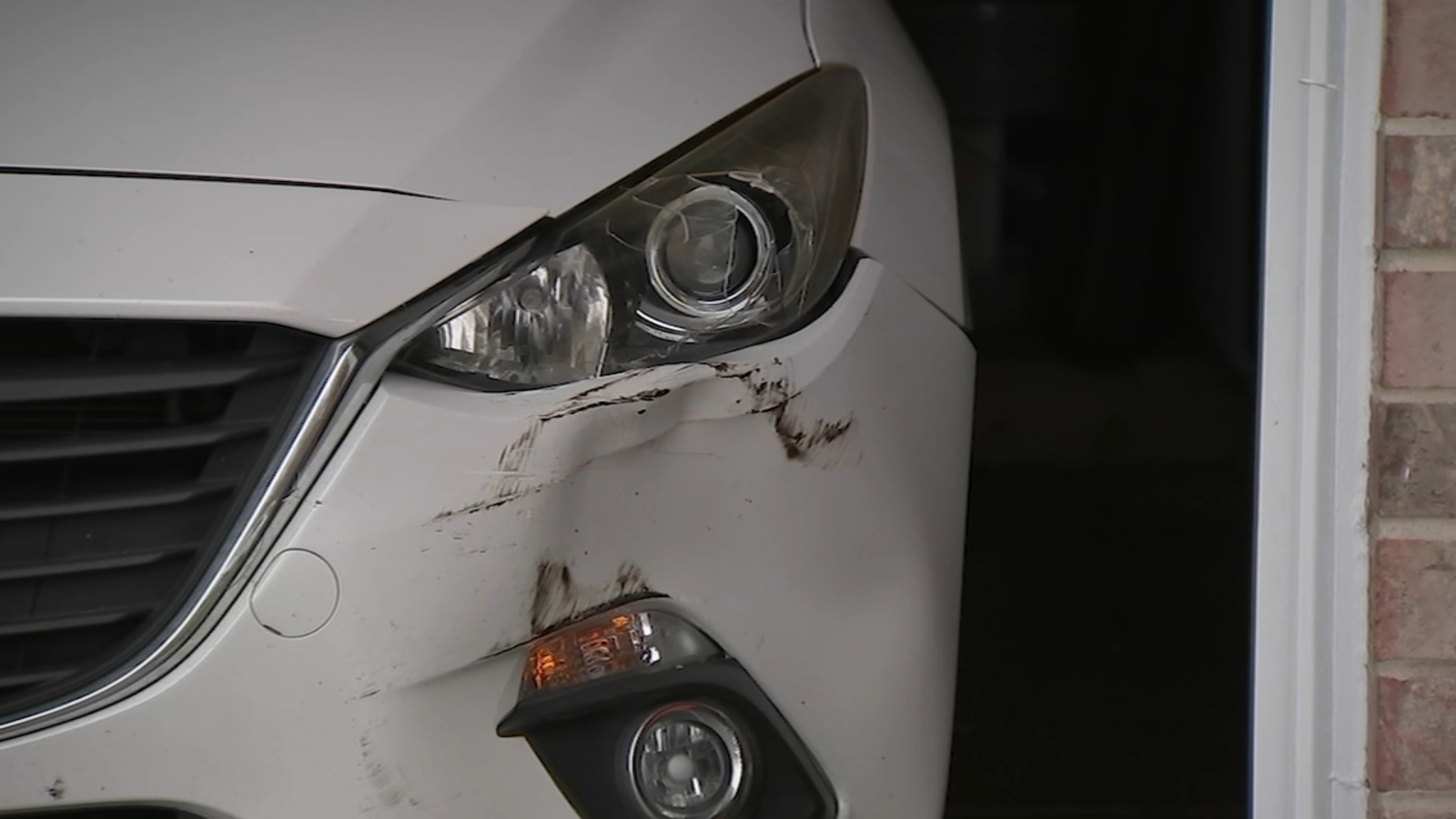
Debra Smith, a Plainfield resident and the face of this fight, watched her SUV crumple in a rear-end smash last summer, leaving it shaking like a “tin can on wheels.” The at-fault driver carried a policy from American Alliance Casualty Company, a non-standard insurer targeting high-risk motorists. Smith’s claim? A measly $2,500 offer—far short of the $8,000 repair quote—despite clear liability. “They lowballed me so bad, I had to dip into savings just to get back on the road,” Smith told ABC7, her voice cracking over months of haggling that stalled her life.
Across town in Portage Park, Marisol Moore faced a similar gut punch after a T-bone wreck in November 2024. The culprit’s Direct Auto Insurance Company dangled a $1,200 payout for her totaled sedan, ignoring medical bills piling up from whiplash treatments. Moore, a single mom juggling two jobs, balked at the insult and pivoted to her own Geico policy for relief—after rejecting the skimpy offer outright. ABC7’s repeated outreach to Direct Auto went unanswered, echoing a pattern of stonewalling that leaves victims in limbo.
Key details from the probe lay bare the mechanics of this mess. Non-standard auto insurance, designed for folks deemed “high-risk” like new immigrants or those with DUIs, covers basics but skimps on robust payouts—often capping at state minimums of $25,000 per person for bodily injury. In Illinois, these firms racked up 1,200 complaints in 2024 alone, per a Chicago Sun-Times analysis, dwarfing mainstream giants like State Farm by a 5-to-1 margin. Lowball tactics? Adjusters undervalue parts using outdated databases or drag inspections, inflating deductibles indirectly. Verified facts hit hard: American Alliance tops the Illinois Department of Insurance’s complaint index at 15.2 per 1,000 policies—triple the industry average—fueled by unfair denials and delayed checks averaging 90 days.
Background context traces this to Illinois’ auto insurance underbelly, where 12% of drivers—over 1 million—lean on non-standard plans amid rising premiums (up 22% statewide in 2024, per S&P Global). Post-pandemic supply chain snarls jacked repair costs 30%, squeezing these lean providers who prioritize profits over promptness. The ABC7 report revives a 2019 I-Team exposé on the same scourge, where victims likened crashes with non-standard insureds to “hitting an uninsured ghost.” Regulators like the Illinois DOI assist via hotlines, but declined on-camera comment, citing ongoing probes into 300+ stalled claims.
Expert voices amplify the outrage. “Non-standard carriers game the system with boilerplate denials, betting victims won’t lawyer up,” charges attorney Neal Gainsberg of Gainsberg Injury and Accident Lawyers, who’s battled these firms for two decades. He cites a 25% win rate hike for clients who reject initial lowballs and demand appraisals—state law mandates neutral third-party valuations if disputes hit $500. DOI consumer advocate Lena Taylor adds, “These aren’t scams, but they’re close—shop around, document everything, and file complaints early to unlock reserves.” Public reactions erupted on X and Facebook post-ABC7 airdate: #LowballInsurance trended locally with 3,000 posts, victims sharing repair selfies captioned “Thanks for nothing, Direct Auto,” while supporters rallied petitions for DOI audits, garnering 4,500 signatures in a week. Skeptics from the industry whisper of “fraudulent claims,” but data shows only 7% of disputes involve exaggeration.
For U.S. readers, especially in crash hotspots like Atlanta or Miami mirroring Chicago’s woes, the fallout stings across economy, lifestyle, politics, and technology. Economically, stalled claims drain $150 million yearly in Illinois alone, per DOI estimates, forcing ER visits for uninsured repairs and spiking personal bankruptcies 8% in auto-heavy suburbs—hitting working-class families hardest and slowing local auto shops’ $2 billion sector. Lifestyle disruptions hit raw: Smith missed soccer games nursing bruises, while Moore’s commute doubled, eating hours from family time in a city where 40% of households are car-dependent, per Census data. Politically, it’s fodder for 2026 reforms—Dems like Rep. Robin Kelly push bills mandating 30-day claim caps, while GOP hawks eye fraud crackdowns; nationally, it pressures NAIC standards, potentially curbing non-standard proliferation in red states. Technologically, apps like ClaimSpotter AI now scan offers for fairness, flagging 20% as undervalued via photo uploads—yet low-income victims lag adoption, widening the gap.
User intent surges with frantic searches like “non-standard auto insurance lowballing Chicago” or “what to do after crash with Direct Auto,” as panicked drivers hunt settlement tips amid tow-truck chaos. Newsrooms like ABC7 manage this via embedded DOI links (800-543-0864) and viewer tip lines, boosting complaints 15% post-story. Geo-targeting zeros on Cook County’s 60639 zip (Portage Park) and Will County’s Plainfield, where crashes cluster 25% above average; AI trackers monitor query spikes during rush hour to push alerts, ensuring timely aid without spam.
Smith and Moore aren’t backing down—both hired attorneys post-exposure, netting 60% claim boosts after appeals. As Illinois probes deepen, victims’ voices could force transparency mandates by mid-2026.
This Chicago car crash saga with non-standard auto insurance lowballing underscores a broken safety net, but rising complaints signal change. With reforms on the horizon, victims may soon drive toward fairer roads—though for now, vigilance remains the best policy.
By Sam Michael
Follow and subscribe to us for the latest updates—increase push notifications to stay ahead!