
NHIA Outlines Bold Steps To Achieve UHC By 2030: Nigeria’s Health Authority Targets Informal Sector, Digital Innovation Amid Rising NCD Deaths
In a nation where non-communicable diseases claim over one in three lives, Nigeria’s push for universal health coverage could transform millions of futures. At the 2024 Gatefield Health Summit in Abuja, the National Health Insurance Authority (NHIA) unveiled ambitious plans to ensure every citizen accesses affordable care by 2030.
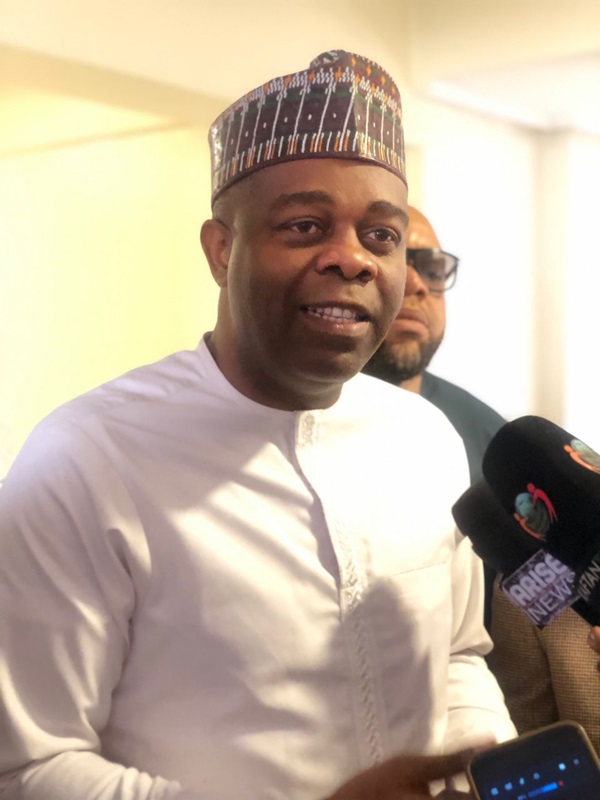
NHIA UHC 2030 initiatives took center stage as director-general Dr. Kelechi Ohiri, represented by deputy director Olufemi Adeoye, detailed strategies to bridge gaps in healthcare access. With NCDs accounting for 37% of deaths in Nigeria and sub-Saharan Africa, Ohiri stressed the urgency of inclusive coverage, particularly for the informal sector and rural areas that make up a large portion of the population. “The informal sector constitutes a large portion of our population, and we cannot achieve UHC without bringing these individuals into the insurance fold,” he said.
Evolving from the National Health Insurance Scheme (NHIS), the NHIA has expanded its mandate under President Bola Tinubu’s administration to prioritize vulnerable groups and build resilient systems. Key facts include the introduction of the NHIA digital platform, a tech-driven tool for streamlining enrollment and claims, enhancing transparency and efficiency nationwide. Partnerships with state governments and private insurers aim to create customized packages tailored to regional needs, while engagements with policymakers seek sustained funding and legislative support.
The summit, themed “Beyond65,” built on last year’s presidential pledge to allocate 10% of the national budget to healthcare, rallying leaders to combat the NCD crisis, including obesity epidemics and environmental factors like air quality. Gatefield’s lead strategist Adewunmi Emoruwa highlighted the burden on primary healthcare and called for fiscal policies to prevent and control these diseases.
In a separate address, Ohiri urged equity and innovation as enablers, noting Nigeria’s challenges like geographical disparities, poor quality care, and high out-of-pocket costs that impoverish families. “UHC is not just an aspiration; it is a lifeline for every Nigerian,” he affirmed, pushing for preventive care alongside curative services. NHIA plans to scale outreach, extend coverage to all tertiary hospitals by year-end, and foster federal-state collaborations for a unified strategy.
Expert opinions reinforce the vision. Ohiri emphasized prioritizing the poor, stating, “We must prioritise the poor and vulnerable, ensuring access to quality healthcare is not limited by socio-economic status.” Emoruwa echoed the need for multi-stakeholder action to address NCDs’ silent epidemic.
Public reactions on X show enthusiasm and calls for action. NHIA’s official account shared summit highlights, garnering likes and reposts, with one post noting over 600,000 individuals in a healthcare access study set to grow. Users like @Science_Nigeria amplified the message, while @NHIA_Nigeria stressed collective commitment on UHC Day, urging, “Get Health Insurance” to move closer to 2030 goals. A post from @NHIANigeria on African Union remarks highlighted sustainable financing’s role, receiving engagement from health advocates.
For U.S. readers, NHIA’s efforts resonate in global health discussions, influencing diaspora remittances that fund Nigerian healthcare amid economic strains. Economically, reducing out-of-pocket costs could boost productivity, echoing U.S. debates on affordable care. Lifestyle impacts include better management of NCDs like diabetes, common in African-American communities with Nigerian roots. Politically, it aligns with international goals like SDG 3, supported by U.S. agencies like USAID, which partners on NHIA initiatives. Technologically, the digital platform mirrors U.S. health apps, potentially inspiring cross-border innovations in telemedicine.
NHIA’s milestones include transforming from NHIS, enrolling over 600,000 in studies, and forging regional collaborations. Challenges persist, such as informal sector exclusion and funding gaps, but optimism prevails with calls for smarter investments.
As Nigeria races toward UHC, NHIA’s bold steps—equity-driven policies, digital tools, and partnerships—promise a healthier future, urging all to champion accessible care by 2030.
In reflecting on the summit, these reforms signal a pivotal shift, with sustained momentum key to overcoming barriers and realizing UHC by 2030.
By Sam Michael
Follow and subscribe to us to increase push notifications.