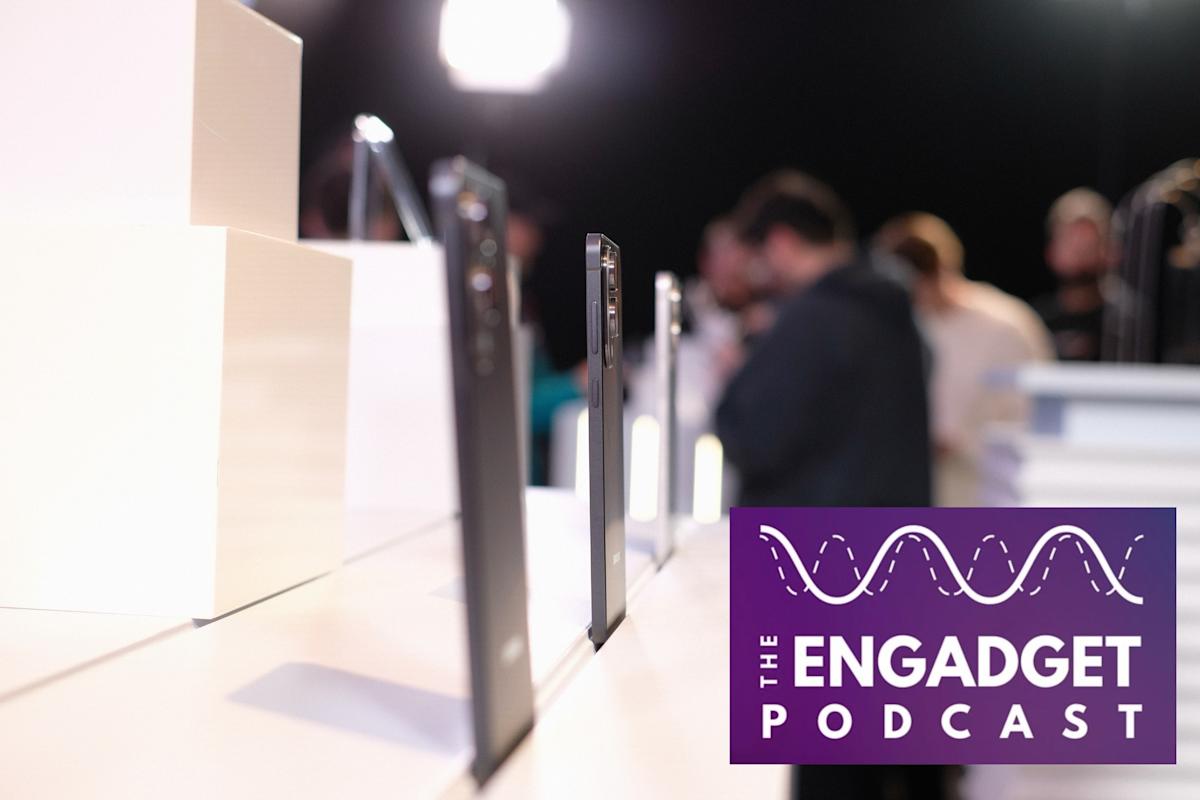
The Samsung Galaxy S25 Edge, with its ultra-thin 5.8mm chassis and lightweight 163g design, is a niche flagship smartphone that appeals to specific users but isn’t a must-have for everyone. Based on its features, trade-offs, and market positioning, here’s a breakdown of who might need or want this device:
Target Audience for the Galaxy S25 Edge
- Tech Enthusiasts and Early Adopters:
- Why They Need It: These users love cutting-edge designs and want to experience the latest trends, like ultra-thin phones. The S25 Edge’s engineering marvel status, with a titanium frame and Gorilla Glass Ceramic 2, makes it a showcase of Samsung’s hardware innovation.
- Example: Someone who upgrades phones frequently to try new form factors, like foldables or now ultra-slim designs, and enjoys flaunting the sleekest device at tech events.
- Users Prioritizing Portability and Ergonomics:
- Why They Need It: The S25 Edge’s slim profile and light weight make it easy to carry in pockets or bags, offering a comfortable grip for one-handed use. Its 6.7-inch AMOLED display provides flagship visuals without the bulk of heavier phones like the S25 Ultra (218g) or iPhone 16 Pro Max (227g). Reviewers note it feels “airy” and less cumbersome than the S25 Plus.
- Example: Professionals or commuters who want a large-screen phone that doesn’t feel like a brick during daily use, especially for tasks like reading or browsing on the go.
- Samsung Loyalists Seeking a Premium Alternative:
- Why They Need It: Fans of the Galaxy S series who want a device between the S25 Plus ($999) and S25 Ultra ($1,299) may see the S25 Edge ($1,099) as a stylish middle ground. It retains flagship features like the Snapdragon 8 Elite, 200MP main camera, and Galaxy AI tools, making it a compelling option for those who don’t need the Ultra’s S Pen or extra cameras.
- Example: A Galaxy user who loves Samsung’s ecosystem (e.g., One UI 7, Gemini Live) and wants a thinner, premium phone without paying for the Ultra’s bells and whistles.
- Fashion-Conscious Consumers:
- Why They Need It: The S25 Edge’s sleek design, available in Titanium Silver, Jetblack, and Icyblue, appeals to those who treat their phone as a fashion statement. Its thinness and premium materials (titanium, Gorilla Glass) give it a luxurious aesthetic.
- Example: Influencers or style-focused individuals who prioritize a phone’s look and feel to complement their personal brand or lifestyle.
- Users Looking for a Backup or Secondary Flagship:
- Why They Need It: As noted on X, those with an S25 Ultra but seeking a lighter backup phone might opt for the S25 Edge to try the “thin and light experience” without sacrificing too much performance.
- Example: A tech-savvy user with multiple devices who wants a secondary phone for travel or casual use, where portability trumps battery life or camera versatility.
Who Doesn’t Need the Galaxy S25 Edge?
The S25 Edge’s compromises make it less ideal for certain users:
- Power Users Needing Long Battery Life:
- The 3,900mAh battery is smaller than the S25 (4,000mAh) and S25 Plus (4,900mAh), raising concerns about lasting a full day, especially with heavy use (e.g., gaming, multitasking). Reviewers estimate it may need a mid-afternoon charge, and its 25W charging is slower than the Plus’s 45W.
- Who Should Skip It: Gamers, streamers, or professionals who rely on their phone all day without frequent charging opportunities.
- Photography Enthusiasts Wanting Versatility:
- The dual-camera setup (200MP main, 12MP ultrawide) lacks a telephoto lens, limiting optical zoom capabilities compared to the S25, S25 Plus, or Ultra. While the main camera is high-quality, digital zoom via sensor cropping isn’t as versatile.
- Who Should Skip It: Content creators or amateur photographers who need telephoto zoom for portraits or distant shots.
- Budget-Conscious Buyers:
- At $1,099 (256GB) or $1,219 (512GB), the S25 Edge is pricier than the S25 Plus ($999), which offers a larger battery, extra camera, and faster charging. The price premium for thinness may not justify the trade-offs for cost-sensitive users.
- Who Should Skip It: Shoppers looking for the best value or those who can’t justify paying extra for a thinner design.
- Users Indifferent to Thinness:
- Some sources question the appeal of ultra-thin phones, noting that the trend may not resonate with everyone. The S25 Edge looks like a regular phone until held, and a case negates its slimness. If thinness isn’t a priority, the S25 Plus or Ultra offer more features for similar or slightly higher costs.
- Who Should Skip It: Pragmatic users who prioritize functionality (e.g., battery, cameras) over aesthetics or portability.
Market Context and Sentiment
- Competitive Landscape: The S25 Edge is part of a “thin phone craze,” competing with the rumored iPhone 17 Air (5.5mm, launching September 2025) and Tecno’s Spark Slim (5.75mm, budget-friendly). Samsung’s early launch gives it a head start, but its success depends on convincing users that thinness is worth the trade-offs.
- Sentiment on X: Posts reflect mixed feelings. Some praise the S25 Edge’s innovation, but others, like @UniverseIce, suggest it’s unnecessary for S25 Ultra owners unless they want a thin backup phone. @MKBHD notes that “nobody is asking for super thin phones,” highlighting skepticism about the trend’s broad appeal.
- Industry Trend: Analysts see thin phones as a way for brands like Samsung to differentiate in a market saturated with AI-driven features. However, the novelty may wear off if battery life or durability falters.
Recommendation
The Galaxy S25 Edge is best for tech enthusiasts, Samsung loyalists, and style-conscious users who value portability, premium design, and flagship performance in a slim package. It’s ideal for those who don’t mind charging more often or missing a telephoto lens. However, power users, photographers, or budget-focused buyers should opt for the S25 Plus or Ultra for better battery life, camera versatility, or value.
If you’re considering the S25 Edge, ask yourself:
- Do you prioritize a lightweight, stylish phone over battery life or camera options?
- Are you excited by the idea of an ultra-thin flagship, or do you already own a phone that meets your needs?
For specific use cases (e.g., comparing it to your current phone or checking regional availability), share more details, and I can tailor the advice further!The Samsung Galaxy S25 Edge, with its ultra-thin 5.8mm chassis and lightweight 163g design, is a niche flagship smartphone that appeals to specific users but isn’t a must-have for everyone. Based on its features, trade-offs, and market positioning, here’s a breakdown of who might need or want this device:
Target Audience for the Galaxy S25 Edge
- Tech Enthusiasts and Early Adopters:
- Why They Need It: These users love cutting-edge designs and want to experience the latest trends, like ultra-thin phones. The S25 Edge’s engineering marvel status, with a titanium frame and Gorilla Glass Ceramic 2, makes it a showcase of Samsung’s hardware innovation.
- Example: Someone who upgrades phones frequently to try new form factors, like foldables or now ultra-slim designs, and enjoys flaunting the sleekest device at tech events.
- Users Prioritizing Portability and Ergonomics:
- Why They Need It: The S25 Edge’s slim profile and light weight make it easy to carry in pockets or bags, offering a comfortable grip for one-handed use. Its 6.7-inch AMOLED display provides flagship visuals without the bulk of heavier phones like the S25 Ultra (218g) or iPhone 16 Pro Max (227g). Reviewers note it feels “airy” and less cumbersome than the S25 Plus.
- Example: Professionals or commuters who want a large-screen phone that doesn’t feel like a brick during daily use, especially for tasks like reading or browsing on the go.
- Samsung Loyalists Seeking a Premium Alternative:
- Why They Need It: Fans of the Galaxy S series who want a device between the S25 Plus ($999) and S25 Ultra ($1,299) may see the S25 Edge ($1,099) as a stylish middle ground. It retains flagship features like the Snapdragon 8 Elite, 200MP main camera, and Galaxy AI tools, making it a compelling option for those who don’t need the Ultra’s S Pen or extra cameras.
- Example: A Galaxy user who loves Samsung’s ecosystem (e.g., One UI 7, Gemini Live) and wants a thinner, premium phone without paying for the Ultra’s bells and whistles.
- Fashion-Conscious Consumers:
- Why They Need It: The S25 Edge’s sleek design, available in Titanium Silver, Jetblack, and Icyblue, appeals to those who treat their phone as a fashion statement. Its thinness and premium materials (titanium, Gorilla Glass) give it a luxurious aesthetic.
- Example: Influencers or style-focused individuals who prioritize a phone’s look and feel to complement their personal brand or lifestyle.
- Users Looking for a Backup or Secondary Flagship:
- Why They Need It: As noted on X, those with an S25 Ultra but seeking a lighter backup phone might opt for the S25 Edge to try the “thin and light experience” without sacrificing too much performance.
- Example: A tech-savvy user with multiple devices who wants a secondary phone for travel or casual use, where portability trumps battery life or camera versatility.
Who Doesn’t Need the Galaxy S25 Edge?
The S25 Edge’s compromises make it less ideal for certain users:
- Power Users Needing Long Battery Life:
- The 3,900mAh battery is smaller than the S25 (4,000mAh) and S25 Plus (4,900mAh), raising concerns about lasting a full day, especially with heavy use (e.g., gaming, multitasking). Reviewers estimate it may need a mid-afternoon charge, and its 25W charging is slower than the Plus’s 45W.
- Who Should Skip It: Gamers, streamers, or professionals who rely on their phone all day without frequent charging opportunities.
- Photography Enthusiasts Wanting Versatility:
- The dual-camera setup (200MP main, 12MP ultrawide) lacks a telephoto lens, limiting optical zoom capabilities compared to the S25, S25 Plus, or Ultra. While the main camera is high-quality, digital zoom via sensor cropping isn’t as versatile.
- Who Should Skip It: Content creators or amateur photographers who need telephoto zoom for portraits or distant shots.
- Budget-Conscious Buyers:
- At $1,099 (256GB) or $1,219 (512GB), the S25 Edge is pricier than the S25 Plus ($999), which offers a larger battery, extra camera, and faster charging. The price premium for thinness may not justify the trade-offs for cost-sensitive users.
- Who Should Skip It: Shoppers looking for the best value or those who can’t justify paying extra for a thinner design.
- Users Indifferent to Thinness:
- Some sources question the appeal of ultra-thin phones, noting that the trend may not resonate with everyone. The S25 Edge looks like a regular phone until held, and a case negates its slimness. If thinness isn’t a priority, the S25 Plus or Ultra offer more features for similar or slightly higher costs.
- Who Should Skip It: Pragmatic users who prioritize functionality (e.g., battery, cameras) over aesthetics or portability.
Market Context and Sentiment
- Competitive Landscape: The S25 Edge is part of a “thin phone craze,” competing with the rumored iPhone 17 Air (5.5mm, launching September 2025) and Tecno’s Spark Slim (5.75mm, budget-friendly). Samsung’s early launch gives it a head start, but its success depends on convincing users that thinness is worth the trade-offs.
- Sentiment on X: Posts reflect mixed feelings. Some praise the S25 Edge’s innovation, but others, like @UniverseIce, suggest it’s unnecessary for S25 Ultra owners unless they want a thin backup phone. @MKBHD notes that “nobody is asking for super thin phones,” highlighting skepticism about the trend’s broad appeal.
- Industry Trend: Analysts see thin phones as a way for brands like Samsung to differentiate in a market saturated with AI-driven features. However, the novelty may wear off if battery life or durability falters.
Recommendation
The Galaxy S25 Edge is best for tech enthusiasts, Samsung loyalists, and style-conscious users who value portability, premium design, and flagship performance in a slim package. It’s ideal for those who don’t mind charging more often or missing a telephoto lens. However, power users, photographers, or budget-focused buyers should opt for the S25 Plus or Ultra for better battery life, camera versatility, or value.
If you’re considering the S25 Edge, ask yourself:
- Do you prioritize a lightweight, stylish phone over battery life or camera options?
- Are you excited by the idea of an ultra-thin flagship, or do you already own a phone that meets your needs?
For specific use cases (e.g., comparing it to your current phone or checking regional availability), share more details, and I can tailor the advice further!The Samsung Galaxy S25 Edge, with its ultra-thin 5.8mm chassis and lightweight 163g design, is a niche flagship smartphone that appeals to specific users but isn’t a must-have for everyone. Based on its features, trade-offs, and market positioning, here’s a breakdown of who might need or want this device:
Target Audience for the Galaxy S25 Edge
- Tech Enthusiasts and Early Adopters:
- Why They Need It: These users love cutting-edge designs and want to experience the latest trends, like ultra-thin phones. The S25 Edge’s engineering marvel status, with a titanium frame and Gorilla Glass Ceramic 2, makes it a showcase of Samsung’s hardware innovation.
- Example: Someone who upgrades phones frequently to try new form factors, like foldables or now ultra-slim designs, and enjoys flaunting the sleekest device at tech events.
- Users Prioritizing Portability and Ergonomics:
- Why They Need It: The S25 Edge’s slim profile and light weight make it easy to carry in pockets or bags, offering a comfortable grip for one-handed use. Its 6.7-inch AMOLED display provides flagship visuals without the bulk of heavier phones like the S25 Ultra (218g) or iPhone 16 Pro Max (227g). Reviewers note it feels “airy” and less cumbersome than the S25 Plus.
- Example: Professionals or commuters who want a large-screen phone that doesn’t feel like a brick during daily use, especially for tasks like reading or browsing on the go.
- Samsung Loyalists Seeking a Premium Alternative:
- Why They Need It: Fans of the Galaxy S series who want a device between the S25 Plus ($999) and S25 Ultra ($1,299) may see the S25 Edge ($1,099) as a stylish middle ground. It retains flagship features like the Snapdragon 8 Elite, 200MP main camera, and Galaxy AI tools, making it a compelling option for those who don’t need the Ultra’s S Pen or extra cameras.
- Example: A Galaxy user who loves Samsung’s ecosystem (e.g., One UI 7, Gemini Live) and wants a thinner, premium phone without paying for the Ultra’s bells and whistles.
- Fashion-Conscious Consumers:
- Why They Need It: The S25 Edge’s sleek design, available in Titanium Silver, Jetblack, and Icyblue, appeals to those who treat their phone as a fashion statement. Its thinness and premium materials (titanium, Gorilla Glass) give it a luxurious aesthetic.
- Example: Influencers or style-focused individuals who prioritize a phone’s look and feel to complement their personal brand or lifestyle.
- Users Looking for a Backup or Secondary Flagship:
- Why They Need It: As noted on X, those with an S25 Ultra but seeking a lighter backup phone might opt for the S25 Edge to try the “thin and light experience” without sacrificing too much performance.
- Example: A tech-savvy user with multiple devices who wants a secondary phone for travel or casual use, where portability trumps battery life or camera versatility.
Who Doesn’t Need the Galaxy S25 Edge?
The S25 Edge’s compromises make it less ideal for certain users:
- Power Users Needing Long Battery Life:
- The 3,900mAh battery is smaller than the S25 (4,000mAh) and S25 Plus (4,900mAh), raising concerns about lasting a full day, especially with heavy use (e.g., gaming, multitasking). Reviewers estimate it may need a mid-afternoon charge, and its 25W charging is slower than the Plus’s 45W.
- Who Should Skip It: Gamers, streamers, or professionals who rely on their phone all day without frequent charging opportunities.
- Photography Enthusiasts Wanting Versatility:
- The dual-camera setup (200MP main, 12MP ultrawide) lacks a telephoto lens, limiting optical zoom capabilities compared to the S25, S25 Plus, or Ultra. While the main camera is high-quality, digital zoom via sensor cropping isn’t as versatile.
- Who Should Skip It: Content creators or amateur photographers who need telephoto zoom for portraits or distant shots.
- Budget-Conscious Buyers:
- At $1,099 (256GB) or $1,219 (512GB), the S25 Edge is pricier than the S25 Plus ($999), which offers a larger battery, extra camera, and faster charging. The price premium for thinness may not justify the trade-offs for cost-sensitive users.
- Who Should Skip It: Shoppers looking for the best value or those who can’t justify paying extra for a thinner design.
- Users Indifferent to Thinness:
- Some sources question the appeal of ultra-thin phones, noting that the trend may not resonate with everyone. The S25 Edge looks like a regular phone until held, and a case negates its slimness. If thinness isn’t a priority, the S25 Plus or Ultra offer more features for similar or slightly higher costs.
- Who Should Skip It: Pragmatic users who prioritize functionality (e.g., battery, cameras) over aesthetics or portability.
Market Context and Sentiment
- Competitive Landscape: The S25 Edge is part of a “thin phone craze,” competing with the rumored iPhone 17 Air (5.5mm, launching September 2025) and Tecno’s Spark Slim (5.75mm, budget-friendly). Samsung’s early launch gives it a head start, but its success depends on convincing users that thinness is worth the trade-offs.
- Sentiment on X: Posts reflect mixed feelings. Some praise the S25 Edge’s innovation, but others, like @UniverseIce, suggest it’s unnecessary for S25 Ultra owners unless they want a thin backup phone. @MKBHD notes that “nobody is asking for super thin phones,” highlighting skepticism about the trend’s broad appeal.
- Industry Trend: Analysts see thin phones as a way for brands like Samsung to differentiate in a market saturated with AI-driven features. However, the novelty may wear off if battery life or durability falters.
Recommendation
The Galaxy S25 Edge is best for tech enthusiasts, Samsung loyalists, and style-conscious users who value portability, premium design, and flagship performance in a slim package. It’s ideal for those who don’t mind charging more often or missing a telephoto lens. However, power users, photographers, or budget-focused buyers should opt for the S25 Plus or Ultra for better battery life, camera versatility, or value.
If you’re considering the S25 Edge, ask yourself:
- Do you prioritize a lightweight, stylish phone over battery life or camera options?
- Are you excited by the idea of an ultra-thin flagship, or do you already own a phone that meets your needs?
For specific use cases (e.g., comparing it to your current phone or checking regional availability), share more details, and I can tailor the advice further!