
Must-Know Next-Gen Vehicle Tech: Essential Features Drivers Face in 2026 and Beyond
Next-gen vehicle tech in 2026 brings transformative advanced driver assistance systems (ADAS), AI-powered features, software-defined vehicles, faster EV charging, and enhanced autonomous capabilities, making driving safer, smarter, and more efficient for everyday U.S. commuters and families.
The automotive world is rapidly evolving, with 2026 marking a pivotal year for integrating cutting-edge technology into mainstream vehicles. From AI that anticipates your needs to batteries that charge in minutes, these innovations aim to reduce driver fatigue, enhance safety, and ease the transition to electrification.
Advanced Driver Assistance Systems (ADAS) are becoming more sophisticated and widespread. Features like adaptive cruise control, lane-keeping assist, blind-spot monitoring, and automatic emergency braking are now standard or widely available in many new models. In 2026, predictive AI takes this further—systems can detect hazards before you do, such as a pedestrian stepping out or a vehicle braking ahead. Subaru’s updated EyeSight in the 2026 Outback, for instance, includes wider-angle cameras, distraction mitigation that works through sunglasses, and emergency stop assist.
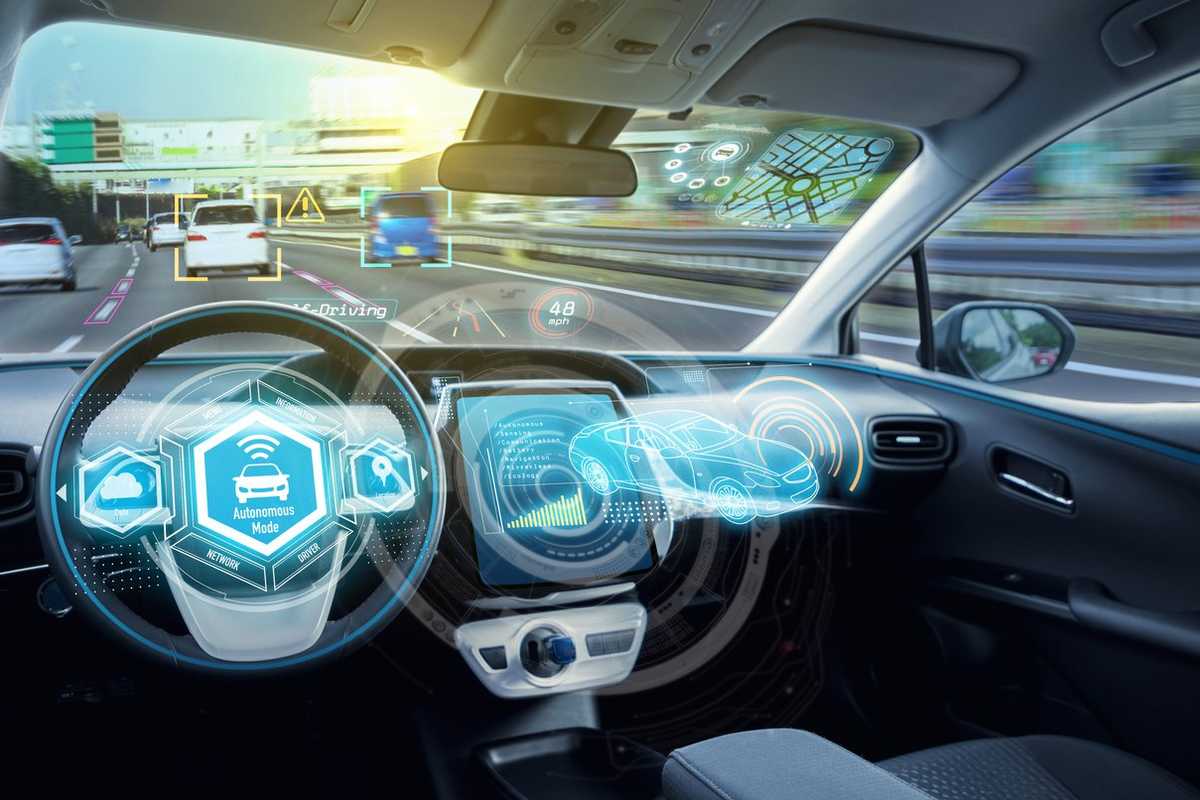

Software-defined vehicles (SDVs) represent a major shift, where cars receive over-the-air (OTA) updates like smartphones. This means new features, improved performance, and bug fixes without visiting a dealer. Kia’s 2026 Telluride and many others support OTA, allowing personalized profiles for seats, climate, and infotainment. Digital cockpits evolve with larger panoramic displays, head-up displays, and voice controls powered by generative AI for natural conversations.
Autonomous driving capabilities are advancing incrementally. While full self-driving remains limited, Level 2+ and Level 3 systems—handling highway or city driving with minimal intervention—are expanding. Mercedes’ Drive Pilot and GM’s Super Cruise enable hands-free operation on mapped roads, with eyes-off features in some cases. CES 2026 highlights emphasize AI for real-time adaptation, though drivers must stay attentive.
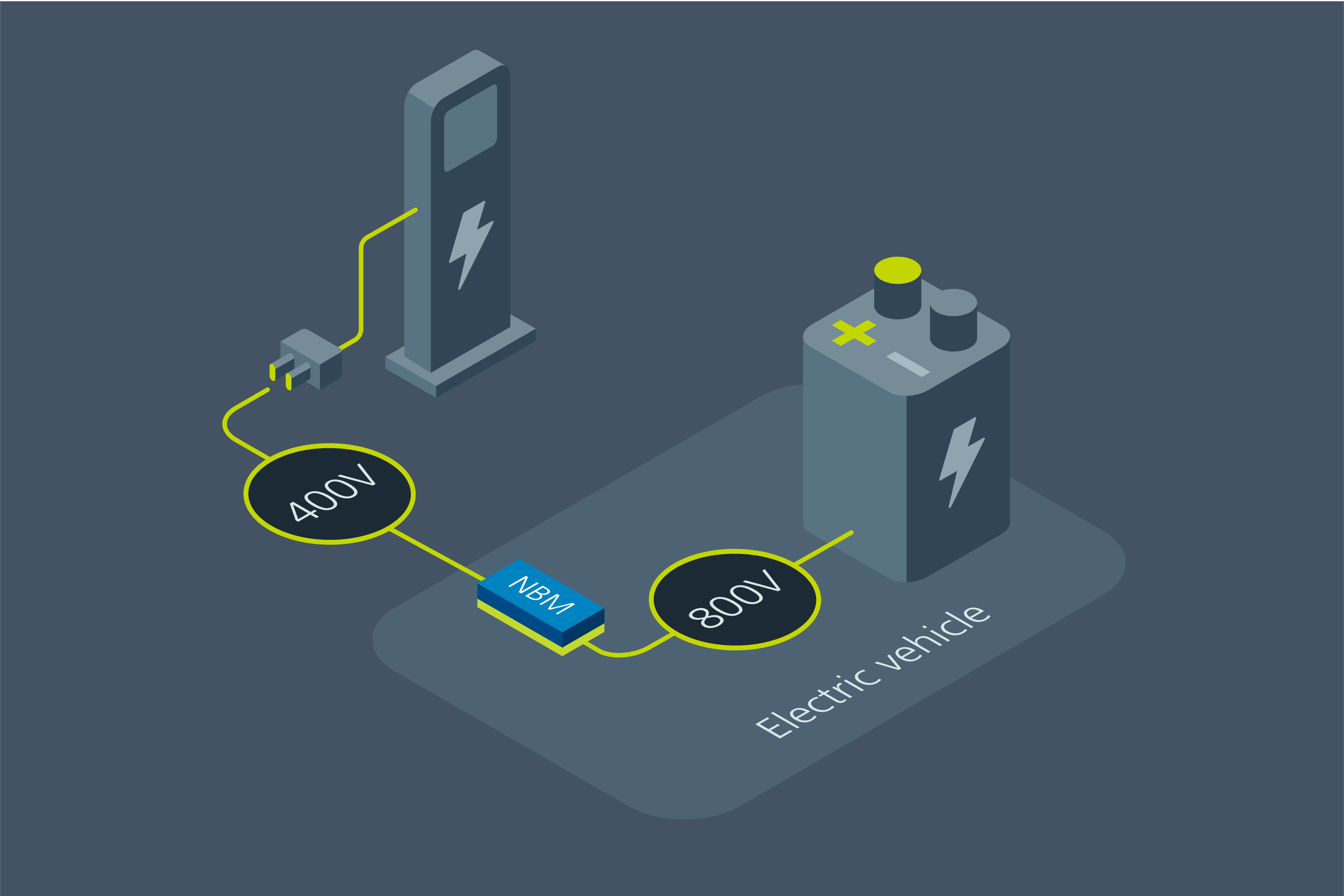
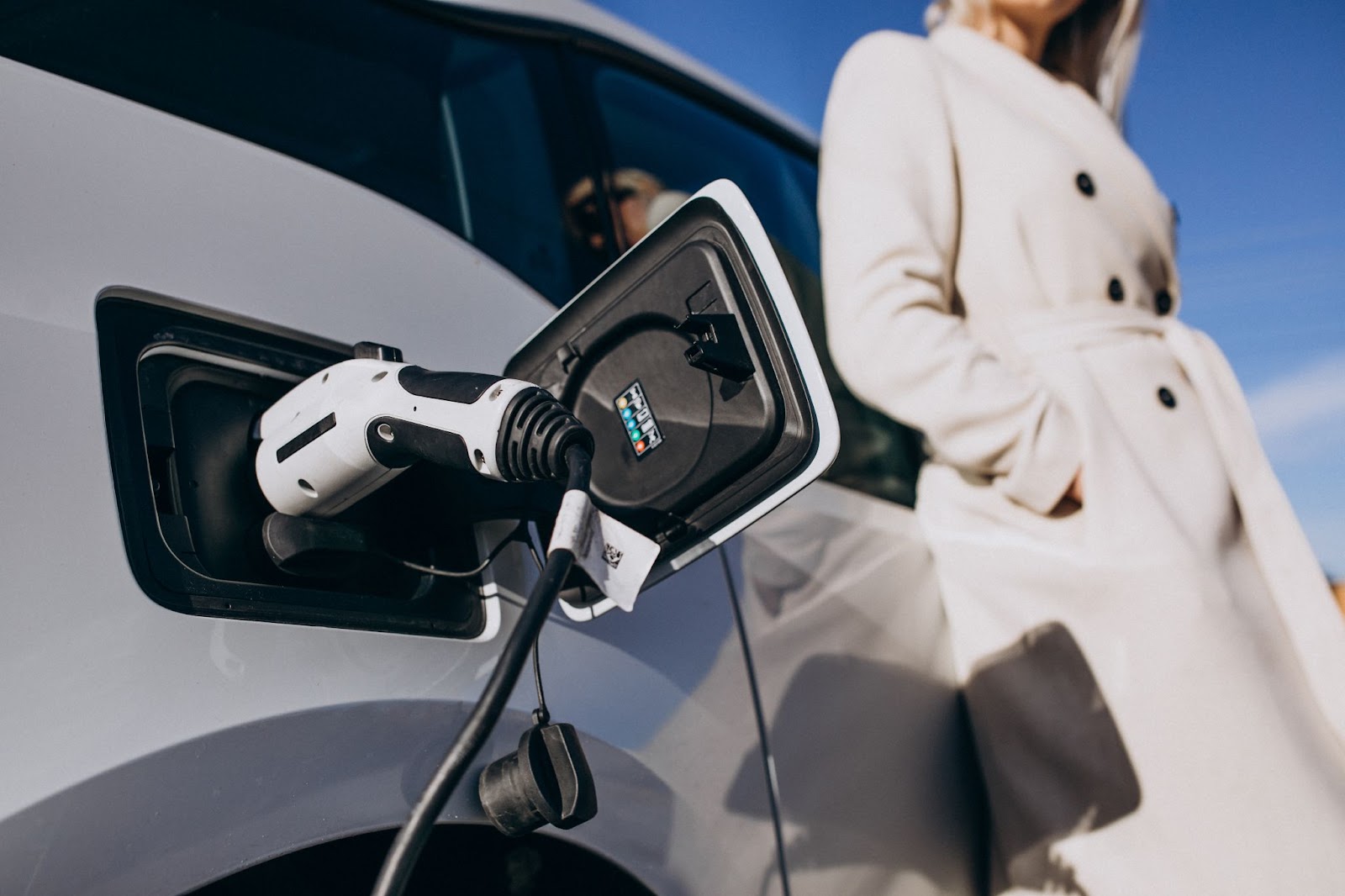
Electric vehicle advancements address key concerns. Faster charging via 800V architectures (like BMW’s iX3) adds hundreds of miles in under 10 minutes. Solid-state batteries promise longer range and quicker charges, reducing range anxiety. Hybrids dominate transitions, with models like the 2026 Toyota RAV4 going hybrid-only for better efficiency.
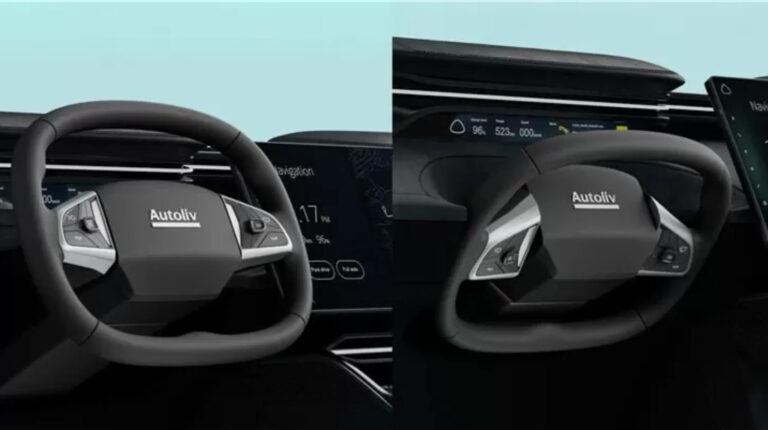
Interiors are transforming for autonomy, with retractable steering wheels and lounge-like seating in concepts, freeing space for work or relaxation during assisted drives.
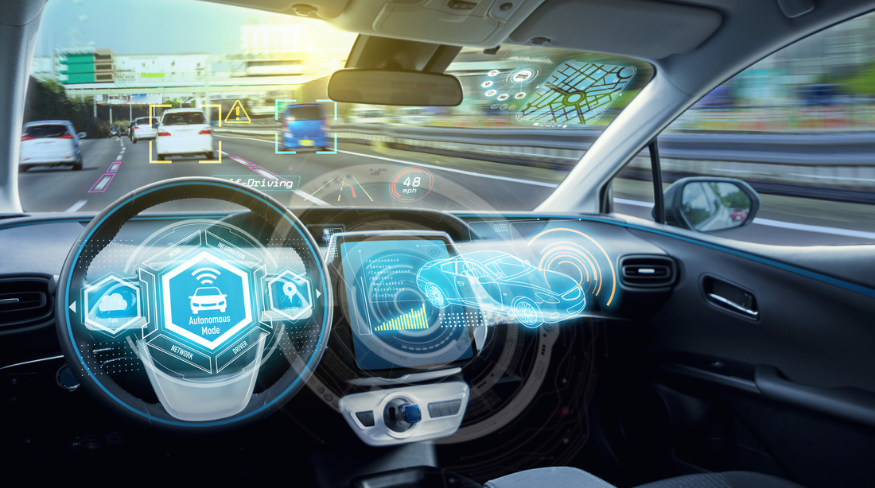
Industry experts praise these for boosting safety—ADAS already reduces crashes significantly—and convenience, but note challenges like higher costs and the need for driver education. Public reactions are mixed: excitement over smarter cars, tempered by privacy concerns with always-connected features.
For U.S. drivers, these technologies mean safer commutes, lower fuel costs via hybrids/EVs, and reduced stress in traffic-heavy areas. They support economic shifts toward sustainability and could influence insurance rates with proven safety tech. Lifestyle benefits include more productive drive time and eco-friendly options amid rising fuel prices.
As vehicles become rolling smart devices, understanding these features helps buyers choose wisely and stay safe on evolving roads.
Next-gen vehicle tech in 2026, including advanced driver assistance systems (ADAS), AI-powered features, software-defined vehicles, faster EV charging, and enhanced autonomous capabilities, equips drivers for a safer and more connected future.
By Sam Michael
Follow us on X @realnewshubs and subscribe for push notifications
Follow and subscribe to us to increase push notifications.