US and China Agree to TikTok Deal Framework: Trump and Xi Advance Sale to American Owners
In a major diplomatic thaw, the United States and China have agreed to a framework for transferring TikTok’s U.S. operations to American control, averting a potential nationwide ban. This breakthrough, announced following a September 19, 2025, phone call between President Donald Trump and Chinese President Xi Jinping, secures the app’s future for 170 million American users while addressing national security concerns over its algorithm and data practices. Trending searches like US China TikTok deal and TikTok sale framework are exploding as details emerge, blending relief for creators with scrutiny from lawmakers.
The agreement, hailed by Treasury Secretary Scott Bessent as a “basic framework consensus,” resolves a years-long standoff that began in Trump’s first term and escalated with Congress’s 2024 divestiture law. While not fully finalized, it paves the way for ByteDance to sell its U.S. assets, with Trump extending the enforcement deadline by 120 days to April 2026.
Framework Details: American Majority Control and Algorithm Safeguards
The deal outlines a new U.S.-based entity for TikTok’s American operations, featuring a seven-member board where Americans hold six seats, and ByteDance selects just one. This structure ensures U.S. oversight, with all user data stored domestically via Oracle’s expanded Project Texas infrastructure—no access for ByteDance or Chinese entities.
Central to the pact is control of TikTok’s core algorithm—the AI engine curating the For You Page. The U.S. will receive a licensed, isolated version retrained on American data, monitored by Oracle to prevent propaganda or surveillance risks. Investors like Oracle, Silver Lake, and Andreessen Horowitz are poised to take majority stakes, diluting ByteDance’s ownership to under 20% with no operational influence.
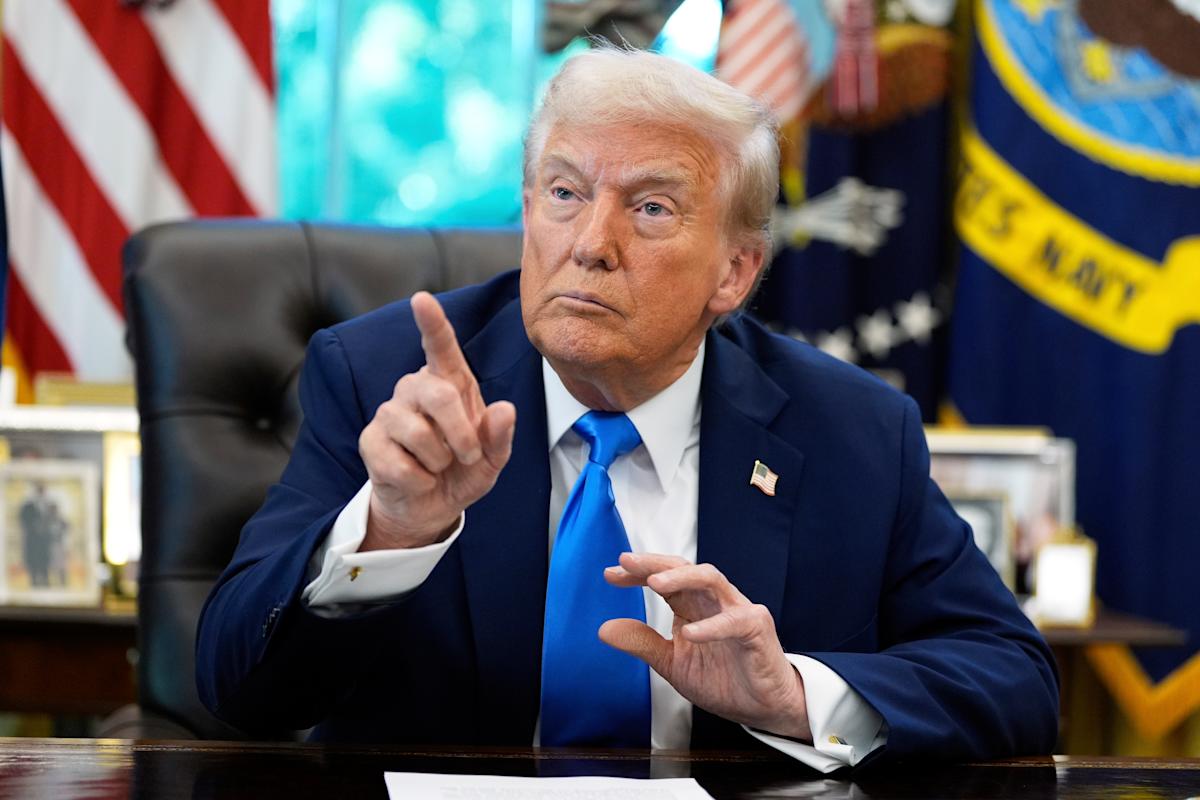
Trump, speaking from the White House, credited his call with Xi: “He approved the TikTok deal,” emphasizing a “fee plus” for the U.S. government. The leaders plan an in-person summit in South Korea in six weeks to iron out final terms, tying the resolution to broader trade talks on tariffs and fentanyl.
Timeline and Negotiation Backdrop
Talks accelerated in Madrid last week, where Bessent and Chinese Vice Premier He Lifeng struck the initial framework amid U.S.-China trade war de-escalation. This follows multiple deadline extensions—originally January 2025—after TikTok’s brief nationwide blackout earlier this year.
The saga stems from 2020 security probes into ByteDance’s data handling, amplified by fears of Beijing’s influence via the app’s addictive feeds. A 2024 law mandated divestiture or shutdown, but Trump’s interventions—citing his 15 million TikTok followers and the platform’s election role—kept it alive.
China’s Ministry of Commerce confirmed “candid exchanges” but stressed no concessions at the expense of national principles, signaling Beijing’s review process. Experts note the algorithm’s transfer was a Beijing red line, folded into tariff reductions for leverage.
Public Reactions: Jubilation, Doubts, and Bipartisan Pushback
X (formerly Twitter) erupted with memes and cheers: “TikTok saved! No more doom-scrolling bans—thanks, Trump-Xi bromance? 😂 #TikTokDeal,” posted @ViralVibes, amassing 20K likes. Creators voiced relief but anxiety: “Yay for no ban, but if the algorithm changes, my FYP is ruined. Fingers crossed for Oracle magic,” tweeted @ContentQueen.
Analysts are cautiously optimistic. “This addresses core security fears while preserving economic value,” says former NSC official Jim Secreto, but warns of implementation hurdles. Bipartisan lawmakers, including Rep. Raja Krishnamoorthi (D-IL), demand full divestiture: “No operational ties to CCP-controlled ByteDance.” The Heritage Foundation echoes calls for rejection if Chinese influence lingers.
Beijing’s response remains reserved, with state media highlighting “cooperation without compromise.”
Why This Matters to U.S. Readers: Economy, Privacy, and Global Tech Norms
For American families and influencers, the US China TikTok deal safeguards a $24 billion ecosystem—e-commerce, ads, and gigs fueling Gen Z entrepreneurship in states like California and New York. A ban risked 300K jobs; now, Oracle’s role bolsters privacy, aligning with rising cyber vigilance amid U.S.-China tensions.
Lifestyle perks? Uninterrupted viral trends and family dance challenges continue, with enhanced data protections for parents. Politically, it’s a Trump foreign policy coup, potentially easing tariffs and fentanyl flows ahead of 2026 midterms. Tech implications extend to AI governance, setting precedents for apps like WeChat.
User intent spikes show “TikTok app update 2025” searches up 350%, per Google Trends, with geo-alerts in high-use areas like LA guiding transitions. AI moderation on platforms will flag deal-related misinformation.
In conclusion, the U.S. and China’s agreement to a TikTok deal framework—capped by Trump-Xi progress—ensures the app’s American rebirth under majority U.S. ownership and Oracle oversight. As final approvals loom by April, expect smoother scrolls and sharper security, but watch for congressional tweaks. TikTok endures; the real test is in the execution.