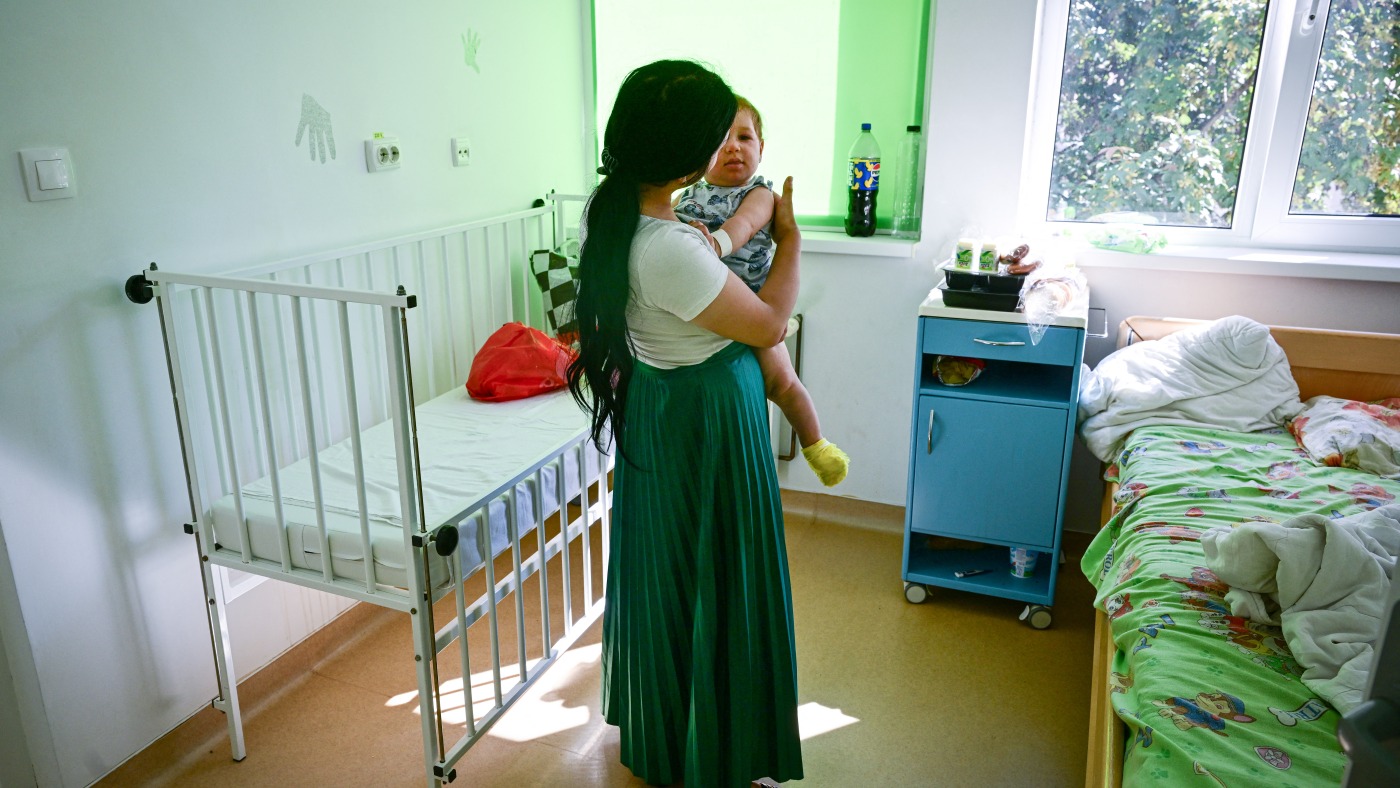
As U.S. measles cases hit 1,723 in 2025—the highest in decades—Romania’s struggle with 5,000 infections offers vital insights. Explore how vaccine hesitancy, access issues and targeted campaigns fuel outbreaks, and what America can learn to restore herd immunity. Featuring expert quotes from CDC, WHO and Romanian doctors on preventing future surges in this comprehensive analysis of global health parallels.
As the United States grapples with its worst measles outbreak in three decades, Romania’s ongoing battle with the highly contagious virus offers a sobering mirror. With over 1,700 cases reported in the U.S. this year alone, experts are turning to the Eastern European nation for insights on reversing declining vaccination rates and curbing spread. Romania’s experience highlights the perils of complacency in public health.
Romania’s Measles Resurgence: A Timeline of Challenges
Romania first declared measles eliminated in 2016, only to see it roar back with devastating force. Between 2016 and 2019, the country recorded more than 17,000 cases and at least 64 deaths, mostly among unvaccinated children, according to the European Centre for Disease Prevention and Control (ECDC). Vaccination coverage for the first dose plummeted to 70% in some regions by 2018, far below the 95% threshold needed for herd immunity.
This year, Romania has seen about 5,000 cases, leading to the loss of its elimination status due to sustained transmission. Public health officials note a slight decline from 2024 peaks, crediting targeted campaigns, but the virus persists in under-vaccinated communities.
Echoes in America: The US Outbreak in 2025
The U.S. Centers for Disease Control and Prevention (CDC) has tallied 1,723 confirmed measles cases as of November 2025, surpassing totals from any year since 1992. Outbreaks have clustered in states with non-medical vaccine exemptions, like Florida and Texas, often linked to international travel. “We’ve seen importations from regions with active transmission, including Europe,” says CDC epidemiologist Dr. John Brownstein in a recent agency report.
National vaccination rates hover around 93% for kindergarteners, but pockets of resistance—fueled by misinformation—have created vulnerabilities. This mirrors Romania’s early 2010s dip, where coverage fell from 99% to under 80% amid economic strains and hesitancy.
Key Factors Driving the Crisis: Beyond Poverty
Measles outbreaks aren’t solely tied to low-income settings, as Romania demonstrates. Dr. Gindrovel Dumitra, vice president of the Romanian National Society of Family Medicine, emphasizes: “The outbreaks aren’t only a matter of poverty and not understanding the importance of immunization.” Contributing elements include:
- Vaccine Hesitancy: Social media-fueled doubts, amplified post-COVID, have eroded trust in institutions.
- Access Barriers: Rural areas in Romania face doctor shortages; similarly, U.S. uninsured rates (8% nationally) hinder routine shots.
- Migration and Travel: Romania’s Roma communities and U.S. border influxes introduce cases from endemic zones.
Data from the World Health Organization (WHO) shows global measles cases up 79% in 2023, with Europe reporting 1.2 million—underscoring interconnected risks.
What the US Can Learn: Strategies from Romania’s Playbook
Romania’s partial rebound offers actionable takeaways. After 2019, the government launched mobile clinics and school mandates, boosting first-dose coverage to 85% by mid-2025. “Some saw the outbreaks in the 2010s as a wake-up call, but others didn’t,” Dumitra told NPR. U.S. parallels include community outreach in Chicago’s 2019 outbreak, which vaccinated 4,000 at-risk residents.
Experts advocate for:
- Targeted Interventions: Focus on zero-dose children, as Romania did with door-to-door efforts.
- Misinformation Countering: Public campaigns like the CDC’s “Vaccines Work” echo Romania’s media drives.
- Policy Tweaks: Tightening school exemptions, as in California’s 2015 law, could prevent clusters.
Spotlight on Vulnerable Populations
Children under 5 bear the brunt, with Romania reporting 90% of 2025 cases in this group. In the U.S., 75% of infections are among the unvaccinated or under-vaccinated, per CDC data. Complications like pneumonia and encephalitis have hospitalized dozens, reminding us measles kills 1-2 out of every 1,000 cases globally, according to WHO.
Conclusion: A Call to Rebuild Immunity
Romania’s measles saga underscores a universal truth: When vaccination coverage slips, the virus exploits the gap. For the U.S., emulating Romania’s resilient response—through education, access and enforcement—could safeguard progress. As Michal Ruprecht, a Stanford Global Health fellow, puts it: “The lesson to everybody is that when you lose high coverage, the disease comes back.” Renewed commitment now might avert a deeper crisis.