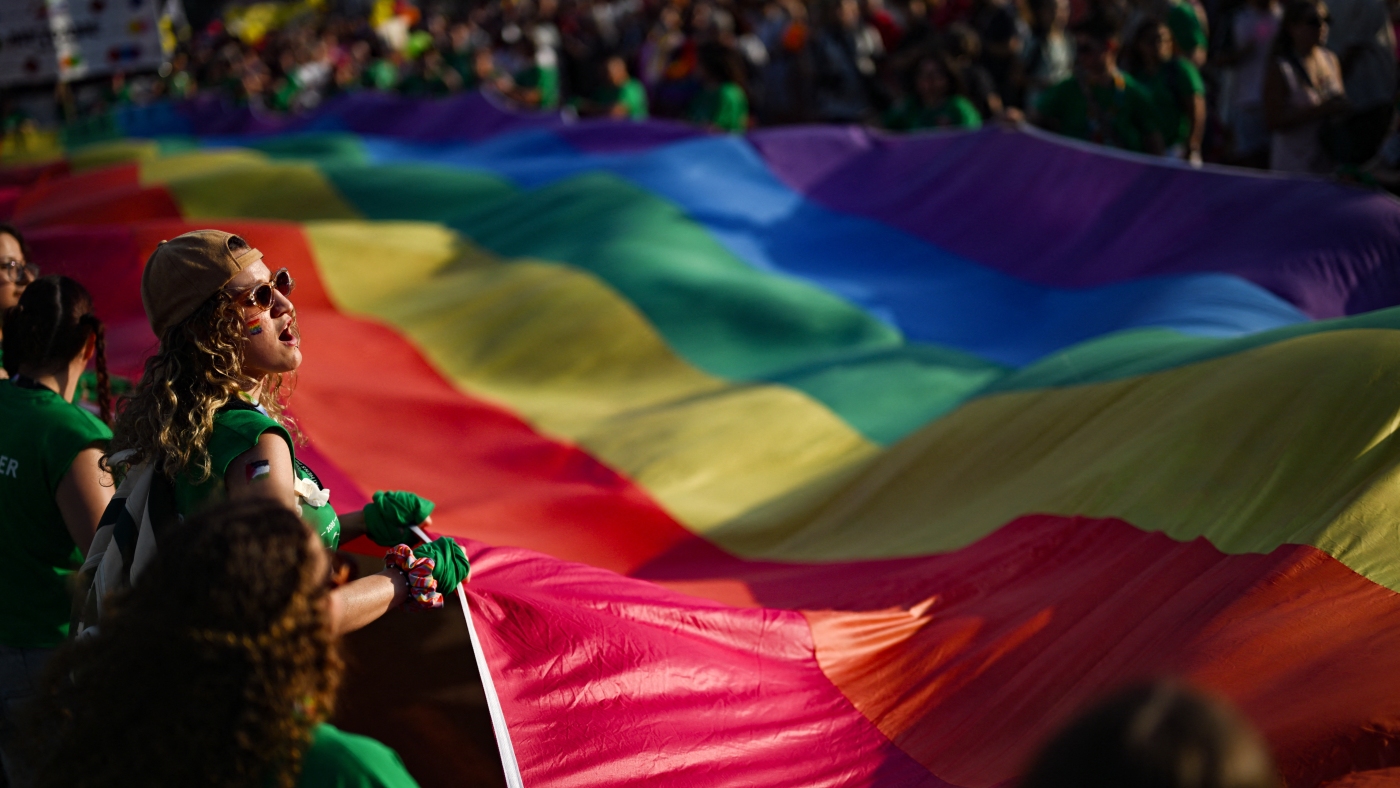
NPR Invites Americans to Share Their Coming Out Stories for LGBTQ+ History Month – Deadline Approaches Fast!
In a world where authenticity can feel like a bold act of defiance, NPR is opening its doors wide. The public radio giant wants to hear your coming out story, turning personal triumphs into shared celebrations during LGBTQ History Month 2025.
National Public Radio (NPR) has launched a heartfelt call for NPR coming out stories, inviting listeners across the United States to submit tales of courage and self-discovery. This initiative aligns perfectly with National Coming Out Day, a pivotal event in coming out experiences that boosts LGBTQ visibility and promotes authentic self-expression. As LGBTQ History Month 2025 unfolds in October, NPR aims to amplify voices that have long shaped the nation’s cultural landscape. With submissions closing on October 1, now is the time for Americans to contribute to this national conversation on LGBTQ rights and personal narratives.
The Roots of National Coming Out Day
National Coming Out Day falls every October 11, marking a tradition that began in 1988. This date commemorates the second National March on Washington for Lesbian and Gay Rights, where activists rallied for equality and visibility. Organizers from the Human Rights Campaign (HRC) and others established the day to honor those who publicly share their identities, fostering a sense of community amid ongoing struggles.
A Legacy of Courage and Change
Over the decades, National Coming Out Day has evolved into a global observance, but its core remains deeply American. In the U.S., it highlights progress—from the Stonewall Riots of 1969 to recent Supreme Court rulings on marriage equality. Yet challenges persist, including anti-LGBTQ legislation in several states. Sharing stories on this day reinforces resilience, reminding readers that individual acts of bravery drive broader societal shifts.
NPR’s Invitation: How to Share Your NPR Coming Out Story
NPR makes it simple for anyone to participate in this wave of storytelling. Visit the dedicated form on their website, where you can type out your experience or record a voice memo. Photos are welcome too, but they must be self-taken and unedited to ensure authenticity. Selections from these NPR coming out stories could appear in the Up First newsletter on October 12, reaching millions of subscribers.
This user-friendly process caters to busy Americans, whether you’re a first-time sharer or a seasoned advocate. NPR’s team reviews entries under their standard Terms of Use and Privacy Policy, prioritizing journalistic integrity while protecting contributors. No prior writing experience needed—just honesty and heart.
Why These Stories Resonate: Insights from Experts
The Human Rights Campaign describes coming out as “a personal choice and an important part of living authentically,” not a quest for permission but a declaration of truth. This perspective underscores the emotional weight of such disclosures, often met with support but sometimes rejection. Psychologists note that sharing reduces isolation, with studies showing lower mental health risks for those in affirming environments.
Public reactions to similar NPR calls have been overwhelmingly positive in past years. Listeners praise these features for humanizing the LGBTQ experience, sparking family dialogues and workplace allyship. As one anonymous contributor shared in a prior series, “Telling my story freed me—and it might free someone else.”
Broader Impacts on American Lives
For U.S. readers, this NPR initiative touches everyday lifestyle realms. In a politically charged climate, where over 500 anti-LGBTQ bills were introduced in 2024 alone, amplified voices counter misinformation and build empathy. Economically, greater visibility correlates with inclusive workplaces—companies with strong LGBTQ policies see 10-15% higher productivity, per McKinsey reports.
On a personal level, these stories influence family dynamics and community ties. Parents gain tools to support queer kids, while allies learn to advocate effectively. Technologically, social media amplifies reach, turning a radio call into viral conversations that shape public opinion.
In politics, such narratives fuel voter mobilization. Ahead of midterms, they remind policymakers of constituents’ lived realities, potentially swaying votes on equality measures. Even in sports, where figures like Caitlin Clark champion inclusivity, coming out tales inspire younger athletes to embrace their identities without fear.
Wrapping Up: A Call to Action and Hopeful Horizon
NPR’s push for coming out stories during LGBTQ History Month 2025 and National Coming Out Day captures a moment of collective vulnerability and strength. By October 1, thousands may submit, weaving a tapestry of experiences that educates and unites.
Looking ahead, expect more features in NPR’s lineup, from podcasts to prime-time segments, sustaining momentum through 2026. This isn’t just about sharing—it’s about sparking change. If your story burns to be told, head to NPR.org today. Your voice could echo nationwide.
By Sam Michael
NPR coming out stories, LGBTQ History Month 2025, National Coming Out Day, coming out experiences, LGBTQ visibility, authentic self-expression, submit story NPR, LGBTQ rights US, personal coming out narrative, National Public Radio LGBTQ