
Historic First: Artemis II Astronauts Poised to View Lunar Far Side Regions Never Seen by Apollo Crews in Sunlight
In a groundbreaking development for lunar exploration, NASA’s Artemis II mission—set for launch in early 2026—could allow its four astronauts to become the first humans to witness vast sunlit portions of the Moon’s far side that eluded Apollo crews over 50 years ago. Commander Reid Wiseman highlighted this potential, noting the crew’s unique free-return trajectory might reveal illuminated swaths, including features like the Orientale Basin, offering fresh geologic insights for future landings.
The Artemis II crew—Americans Reid Wiseman, Victor Glover, Christina Koch, and Canadian Jeremy Hansen—will embark on a 10-day test flight aboard the Orion spacecraft. Unlike Apollo’s low lunar orbits, this mission follows a hybrid free-return path: flying past the Moon, looping behind its far side for a gravitational slingshot, and returning to Earth without entering orbit. This higher-altitude pass (around 4,000-9,000 miles) and specific launch timing could illuminate areas previously in shadow during Apollo visits.

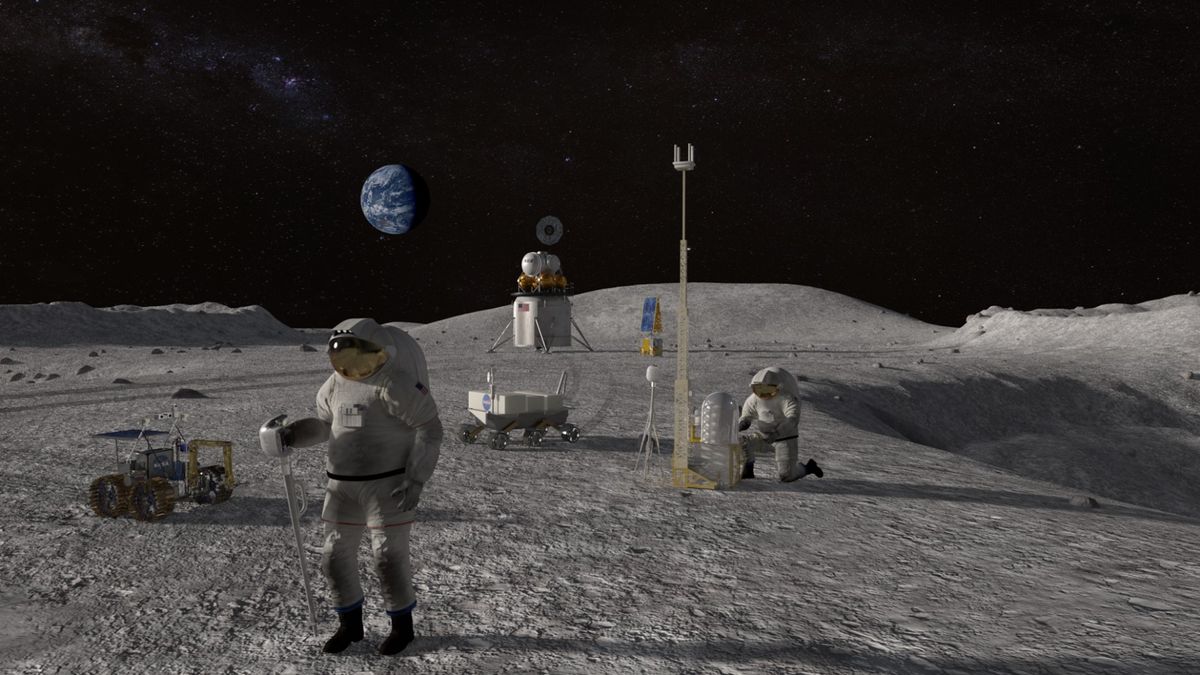
Apollo missions, from Apollo 8’s pioneering 1968 orbit to later landings, operated in equatorial orbits during early lunar morning. This left significant western far-side regions—cratered and rugged, with fewer maria than the near side—in darkness or beyond horizon view. While Apollo 8 astronauts first saw the far side with human eyes and Apollo 13 glimpsed it during its emergency flyby, no crew observed certain sunlit expanses, like parts of the multi-ringed Orientale impact basin.
Wiseman emphasized the scientific boon: Crew observations and photos of craters, lava flows, and potential impact flashes will aid site selection for Artemis III’s south pole landing, targeted for mid-2027. Trained in geology, the astronauts will document features revealing the Moon’s violent history.


Robotic probes have mapped the far side extensively, but human eyes add unique perspective—spotting transient phenomena or contextual details robots miss. Depending on the exact 2026 launch window, nearly the entire far side could be sunlit, a stark contrast to Apollo’s partial views.
For U.S. readers, this Artemis II lunar far side glimpse revives Apollo-era wonder while advancing national goals. It tests systems for sustained presence, including south pole bases rich in water ice for fuel and life support—key to Mars missions. Amid private lunar efforts like Blue Origin’s lander prototypes, it reinforces NASA’s lead in deep-space exploration.
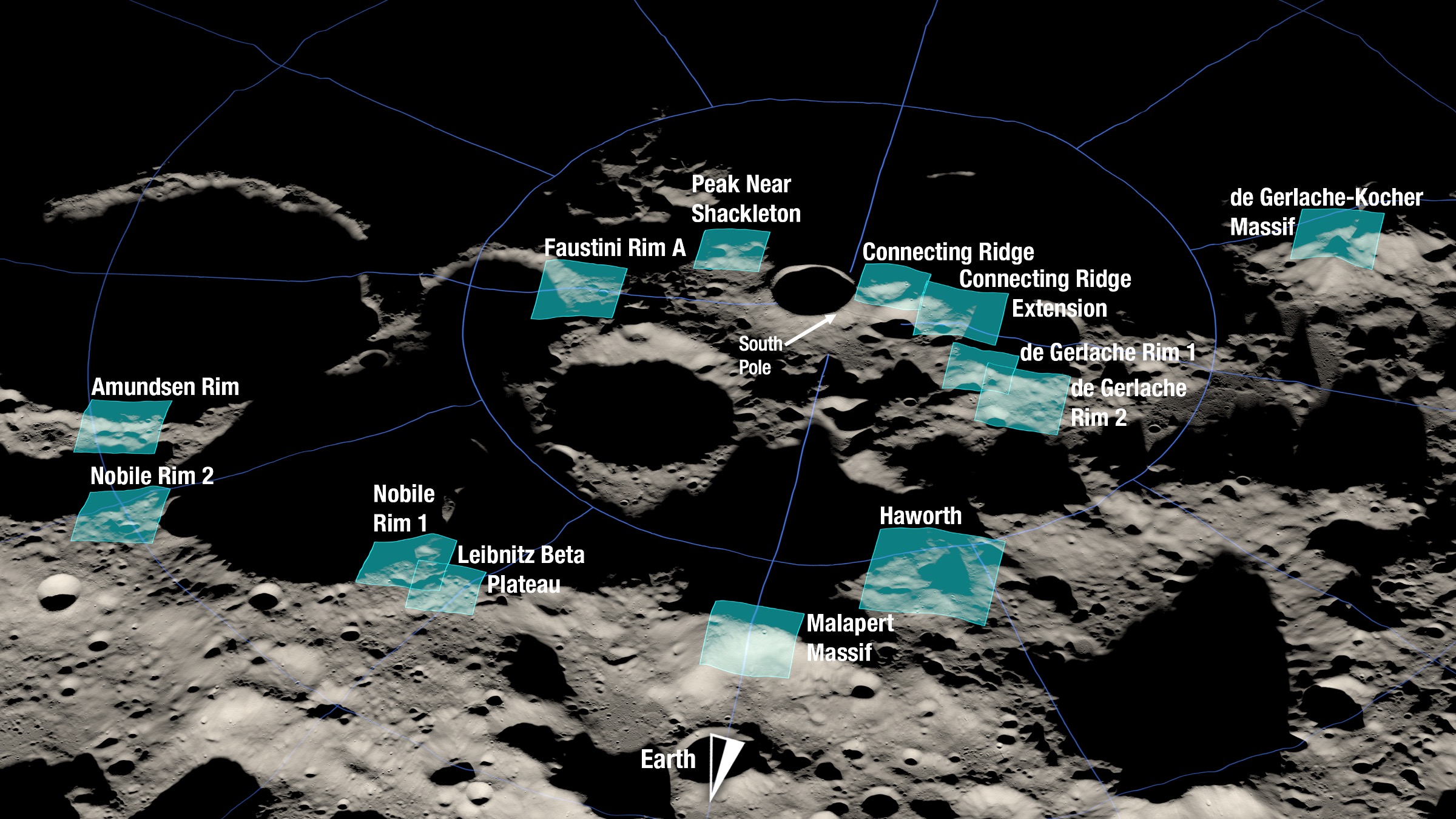

As Artemis II prepares, visualizations simulate these unprecedented views, building excitement. This potential first—humans beholding hidden lunar landscapes in sunlight—marks another milestone in humanity’s return to the Moon.
By Mark Smith
Follow us on X @realnewshubs and subscribe for push notifications to stay locked on every US judge orders Kilmar Abrego Garcia’s release from ICE custody development!
Follow and subscribe to us for push notifications to never miss the latest updates.