

Game-Changing Launch: OpenAI Unveils ChatGPT App Directory – Developers Can Now Submit Third-Party Apps for Millions of Users!
Amid surging trends in ChatGPT app store 2025, OpenAI developer submissions, ChatGPT apps directory, third-party AI integrations, and Apps SDK rollout, OpenAI has officially opened its new App Directory inside ChatGPT, inviting developers worldwide to build and submit interactive applications that run seamlessly within the popular AI platform.
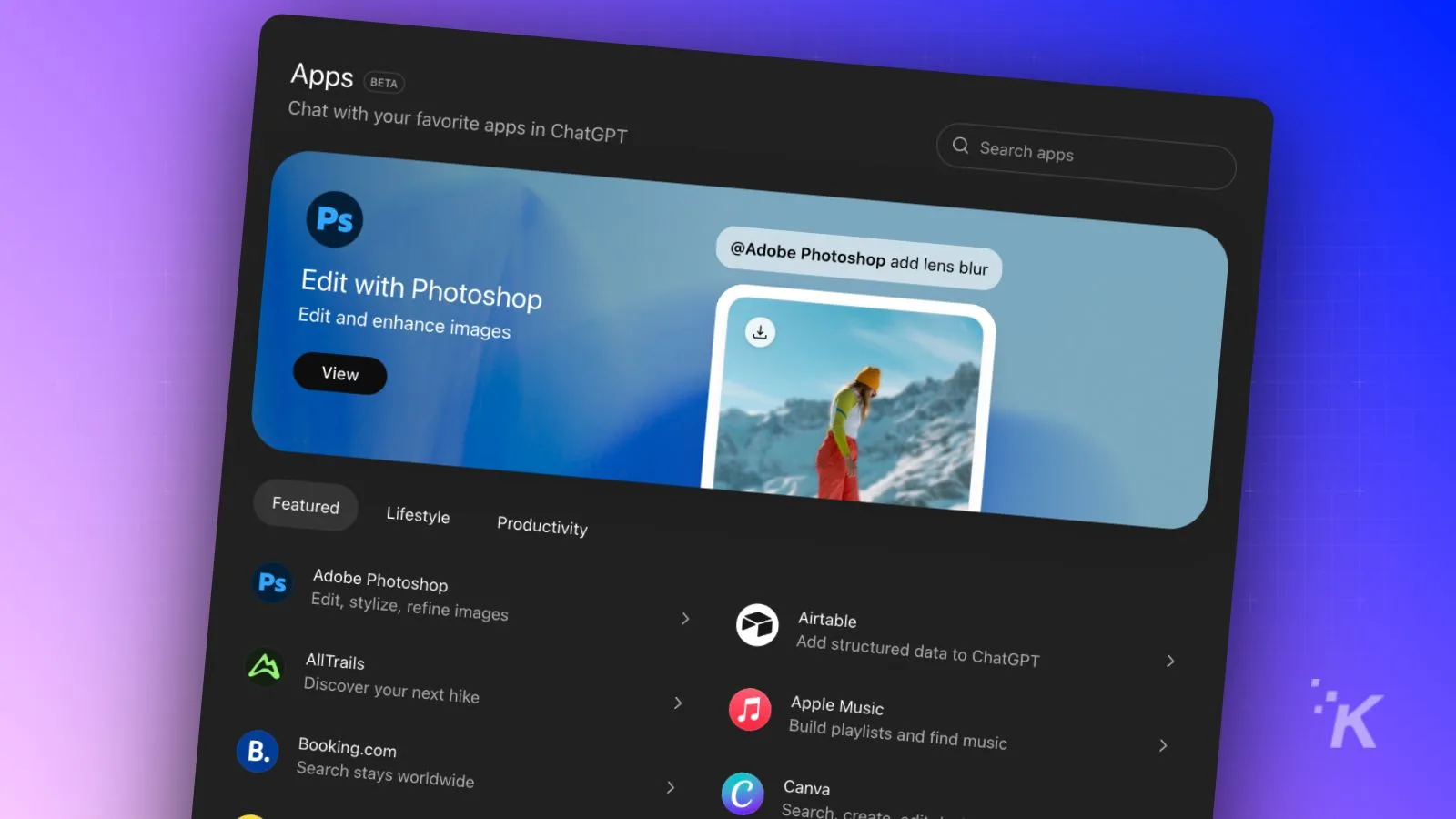
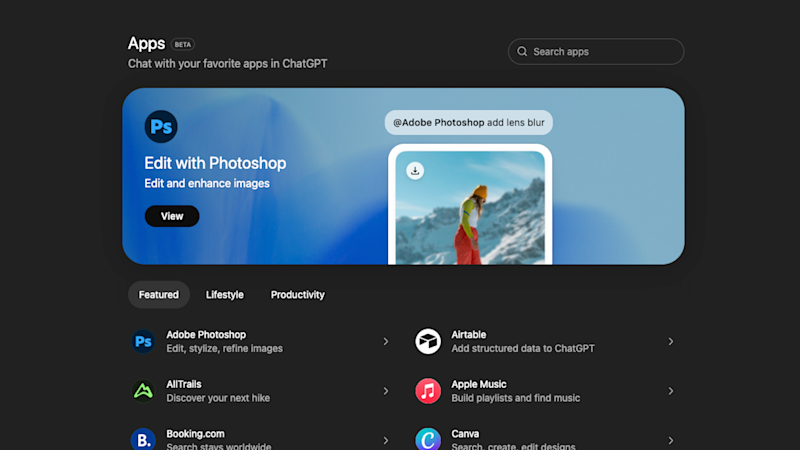
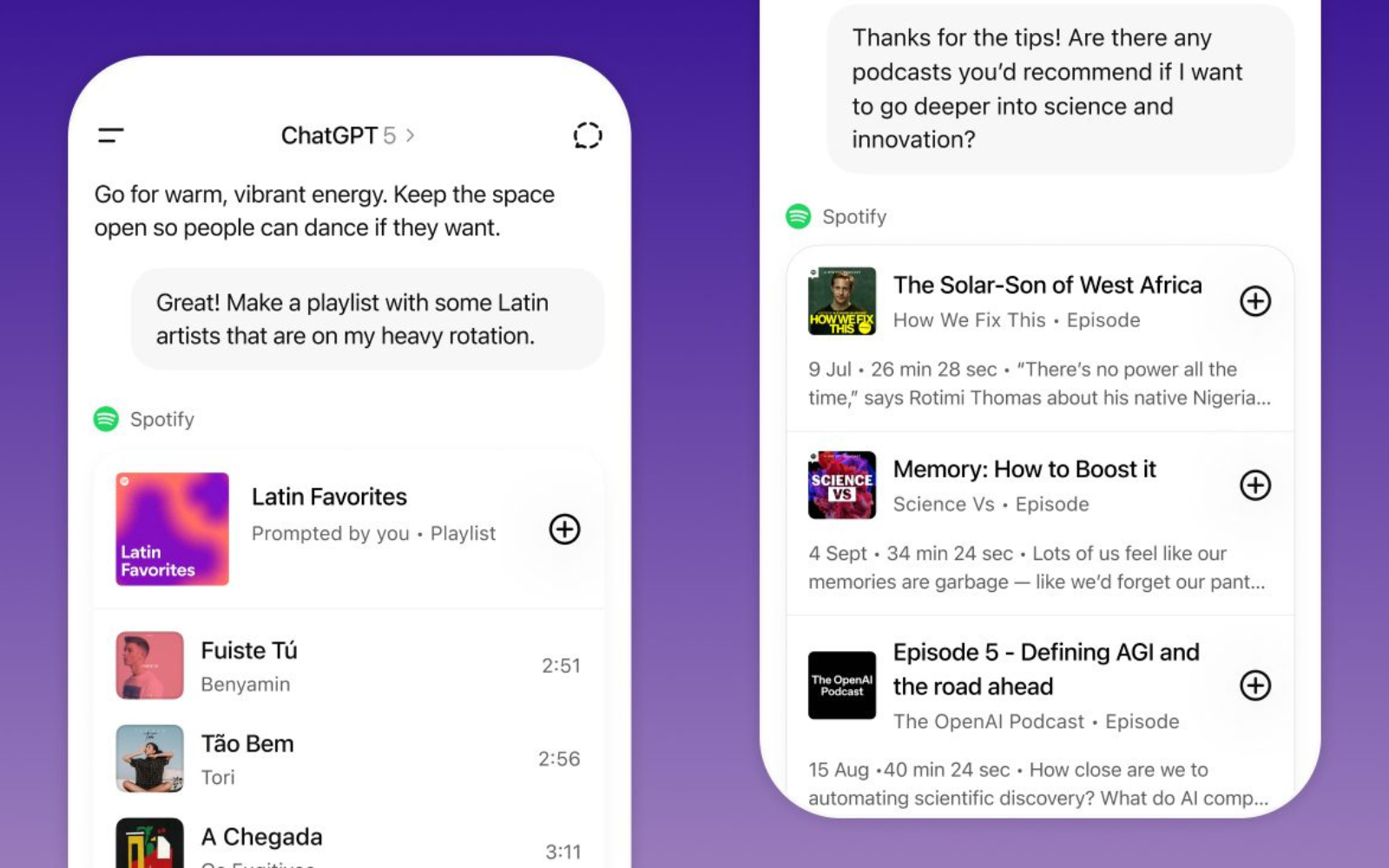
OpenAI announced the milestone on December 17, 2025, marking a major evolution for ChatGPT—from a standalone chatbot to a robust ecosystem. The new App Directory, accessible at chatgpt.com/apps or via the tools menu in ChatGPT, lets users browse, search, and connect to approved apps directly in conversations. Early integrations include heavyweights like Spotify for playlist creation, DoorDash for turning recipes into orders, Apple Music, Zillow for home searches, Canva for designs, and more—all without leaving the chat interface.
For developers, submissions are now live through the OpenAI Developer Platform. Using the Apps SDK (previewed earlier at DevDay 2025), creators can craft chat-native experiences with interactive elements like buttons, maps, sliders, and real-time actions. Apps undergo strict review for quality, safety, privacy, and usability before publication. While monetization currently relies on external links for transactions, OpenAI is exploring native options, including digital goods in the future.
This builds on prior “connectors,” now rebranded as apps, enabling richer workflows. ChatGPT may even suggest relevant apps contextually, based on conversation topics and user preferences, while prioritizing transparency—users control data sharing and can revoke access anytime.
Expert reactions are enthusiastic. Analysts call it a step toward ChatGPT as an “AI operating system,” potentially disrupting traditional app stores by offering natural-language access to services. Developers praise the open-source UI library, example apps, and guidelines that emphasize tightly scoped, intuitive tools delivering real value—like completing workflows or unlocking AI-native experiences.
Public buzz highlights convenience for everyday tasks. On forums and social media, users rave about seamless integrations: “@Spotify make a workout playlist” or brainstorming meals leading straight to DoorDash carts. Privacy-focused commenters appreciate clear policies and user controls.
For U.S. readers, this amplifies productivity in a fast-paced world—managing music, shopping, or creativity mid-conversation streamlines lifestyles amid busy schedules. Economically, it fosters innovation, opening revenue streams for developers and boosting OpenAI’s ecosystem. Technologically, it advances AI platforms, leveraging models for smarter suggestions. Politically neutral yet impactful, it raises discussions on data handling in expansive AI tools.
User intent leans toward exploration—many seek how to access the directory or start building. Head to ChatGPT settings for connections; developers can dive into docs for submissions.
As more apps launch in early 2026, expect explosive growth in this dynamic platform.
In this transformative update, ChatGPT app store 2025, OpenAI developer submissions, ChatGPT apps directory, third-party AI integrations, and Apps SDK rollout are reshaping how we interact with AI-powered services daily.


By Sam Michael
Follow us on X @realnewshubs and subscribe for push notifications to stay locked on every US judge orders Kilmar Abrego Garcia’s release from ICE custody development!