
Trump Signs Executive Order on IVF: What It Means for Families, Fertility Access, and the Road Ahead
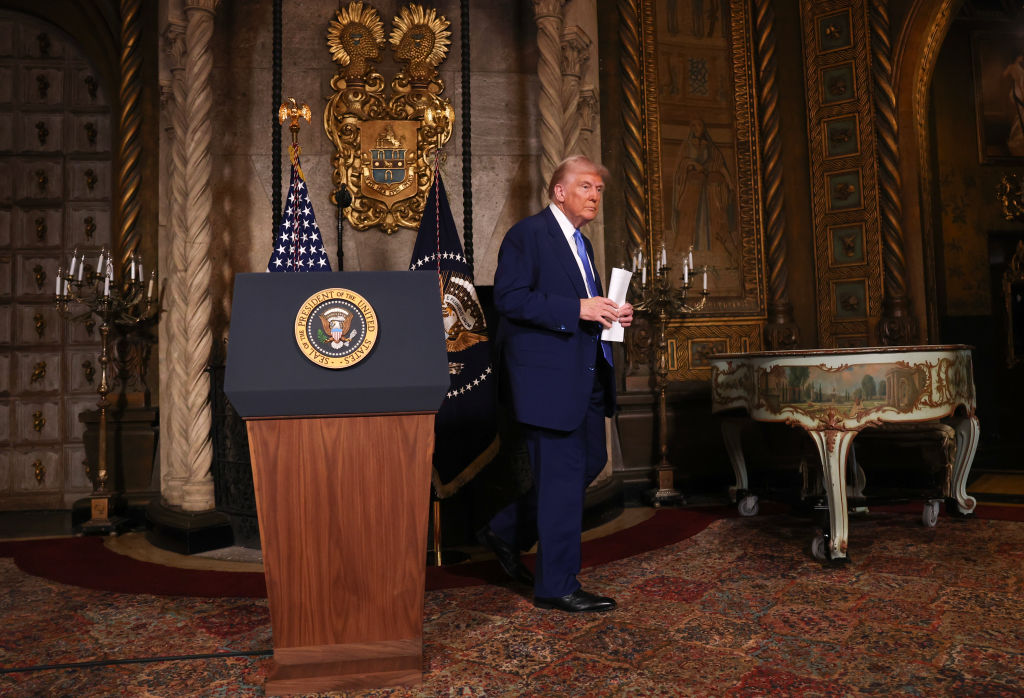
In a Rose Garden ceremony at the White House on February 18, 2025, President Donald J. Trump signed an executive order aimed at expanding access to in vitro fertilization (IVF), fulfilling a campaign promise to make the fertility treatment more affordable for millions of Americans struggling to build families. “We’re going to make IVF easier, cheaper, and available to every loving couple who wants a child,” Trump declared, flanked by fertility experts and Republican lawmakers, as the order directs federal agencies to explore ways to slash out-of-pocket costs that can top $25,000 per cycle. For U.S. families navigating the emotional and financial toll of infertility—where one in eight couples faces challenges—this move signals potential relief, but experts caution it’s more blueprint than breakthrough, with no immediate mandates on insurance coverage.
The executive order, titled “Expanding Access to In Vitro Fertilization,” instructs the Assistant to the President for Domestic Policy to deliver a report within 90 days outlining policy recommendations to safeguard IVF availability and “aggressively reduce” costs through regulatory tweaks and incentives. It stops short of the universal coverage Trump floated on the trail—such as requiring insurers or the government to foot the full bill—but prioritizes easing barriers like burdensome FDA approvals for fertility drugs and streamlining clinic licensing. The administration frames it as pro-family policy, building on Trump’s first-term expansions of the child tax credit and penalty-free retirement withdrawals for new parents, emphasizing that “our nation’s public policy must make it easier for loving and longing mothers and fathers to have children.” Limited federal IVF support already exists for military personnel, veterans, and some federal employees, but the order pushes for broader equity, potentially influencing Medicare expansions or tax credits for treatments.
Key details from the White House fact sheet highlight immediate actions: Agencies like HHS and Treasury must review existing regulations within 60 days to identify cost drivers, such as import tariffs on lab equipment that inflate prices by 15-20%, and propose fixes like expedited approvals for generic fertility meds. Verified by the order’s text, it also calls for “radical transparency” in government reporting on IVF success rates and clinic outcomes, aiming to empower consumers with data to choose affordable providers—echoing a March 2025 Fertility Providers Alliance meeting with White House staff. No new funding is allocated upfront, but the report could recommend incentives like refundable tax credits up to $5,000 per cycle, drawing from bipartisan bills stalled in the 2024 Senate. Critics note the 90-day timeline—due by May 2025—leaves families in limbo, especially post-Alabama’s 2024 embryo ruling that briefly halted IVF statewide.
Background context ties this to a post-Roe v. Wade fertility flashpoint. Trump’s Supreme Court appointees helped overturn abortion rights in 2022, sparking state-level restrictions that ensnared IVF by equating embryos with personhood—prompting clinics in Alabama and beyond to pause services amid legal fears. On the campaign trail, Trump distanced himself, dubbing himself the “father of IVF” at a Fox News town hall and vowing to “make it free” if reelected, a stance that contrasted with some GOP hardliners and helped blunt Democratic attacks. Senate Republicans blocked a 2024 Democratic bill for nationwide IVF protections, but introduced their own measures for insurance mandates—none advanced. The order arrives amid surging demand: A 2024 CDC survey found 1 in 10 reproductive-age women used fertility aid, up 20% since 2015, yet only 21 states mandate some insurance coverage, leaving most Americans paying out-of-pocket.
Expert opinions reflect cautious optimism. “This looks extremely promising as a starting point—addressing costs head-on could cover the biggest barrier for 80% of patients,” says Barbara Collura, CEO of RESOLVE: The National Infertility Association, who praised the focus on out-of-pocket relief but urged swift follow-through. Dr. Barbara Luke, a fertility researcher at Michigan State, adds, “Regulatory streamlining could drop cycle costs 10-15% by easing drug prices, but without mandates, rural and low-income families still lose out.” Illinois Sen. Tammy Duckworth (D), who endured IVF for her daughters, slammed it as “smoke and mirrors—Trump’s order does nothing concrete while states threaten access.” Public reactions lit up social media: #IVFforAll trended with 25,000 posts on X, blending cheers from couples (“Finally, hope for our miracle baby!”) and skepticism (“Too little, too late—where’s the coverage?”), while fertility forums like Reddit’s r/IVF saw threads explode with policy breakdowns.
For U.S. readers, the IVF order’s implications ripple across economy, lifestyle, politics, and technology. Economically, broader access could boost the $25 billion fertility industry—projected to hit $40 billion by 2030 per Grand View Research—easing the $15,000 average annual hit to household budgets and sustaining 100,000 jobs in clinics and pharma. Lifestyle-wise, it offers solace to the 1.6 million Americans pursuing IVF yearly, reducing the emotional grind of multiple cycles (success rates hover at 40% per attempt under 35) and aligning with delayed parenthood trends—average maternal age hit 30 in 2024. Politically, it’s a 2026 midterm chess move: Trump shores up suburban women voters (55% cited family issues in exit polls), but faces fire from progressives pushing for Roe-era protections; expect hearings on the 90-day report to test GOP unity. Technologically, it spotlights AI in embryo selection—tools boosting success 20% via genetic screening—but raises ethics flags on embryo “disposal” amid personhood debates.
User intent in searches like “Trump IVF executive order explained” or “does IVF coverage change 2025” often comes from hopeful parents decoding eligibility or costs amid renewal season. Outlets like TIME (which broke down the order’s family impact in a February 19 feature) manage this with checklists—e.g., state coverage maps and HHS hotlines (1-800-994-9662)—while X threads offer real-time Q&As, geo-targeted to high-IVF states like California and New York where 30% of cycles occur. Fertility apps like Flo integrate policy trackers, spiking downloads 25% post-signing.
The order’s true test? That May report—if it yields mandates like expanded HSAs for IVF or Medicaid pilots, it could transform access; otherwise, it’s campaign optics. As Trump quipped at signing, “Babies are the future—let’s make ’em easier to have.”
This IVF executive order by Trump, while light on mandates, charts a path to affordability that could redefine family-building for a generation. With the 90-day clock ticking, 2025 may well birth lasting protections—or expose the gaps in promises made.
By Sam Michael
Follow and subscribe to us for the latest updates—increase push notifications to stay ahead!